

Are you considering building or renovating your home? Hidden costs can silently inflate your budget and turn a carefully planned project into a financial headache. Many homeowners underestimate the impact of overlooked expenses, vague contracts, or unexpected technical requirements. To make your home project more predictable, it is vital to understand where additional costs can arise and how to manage them effectively. By paying attention to early planning, documentation, and contractor communication, you can prevent unpleasant financial surprises. For additional insights, check out https://www.deutsche-startups.de/2025/08/26/tobias-beuler-revolution-im-hausbaumarkt-vom-bauinsider-zum-gesicht-einer-neuen-baukultur/.
Sticking With Complete and Clear Contracts
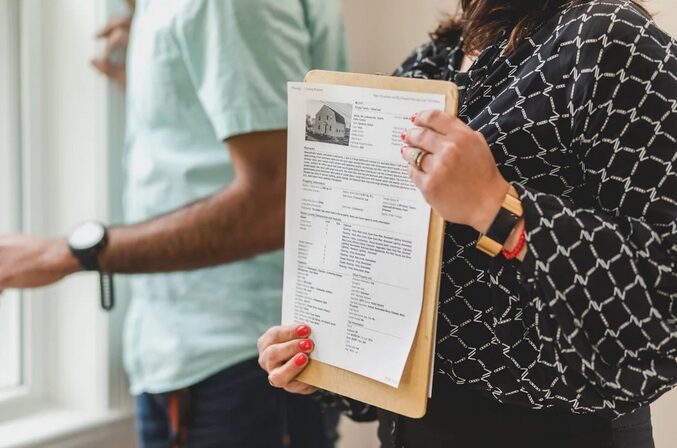
One of the most common sources of hidden costs is a contract that lacks specificity. When contracts are ambiguous about the scope of work, finishing standards, or included materials, additional charges often appear during construction. For instance, terms like “move-in ready” or “finished interior” can be interpreted differently, leading to extra expenses for painting, flooring, or installation work. Always request contracts that clearly define every task, timeline, and deliverable. Keeping detailed records of conversations, modifications, and approvals is also essential to prevent disputes. Without this clarity, minor misunderstandings can rapidly escalate into expensive surprises.
Underestanding Material and Labor Costs
Homeowners frequently underestimate the true costs of materials and labor. Budgeting solely based on initial quotes or standard pricing may overlook market fluctuations, shipping fees, or labor overtime. For example, selecting inexpensive materials might seem economical, but it can result in higher long-term maintenance or replacement expenses. Labor costs can also spike if contractors encounter unforeseen issues during construction. To avoid this pitfall, research current market prices and request itemized estimates from multiple contractors. Factoring in potential price changes will help you maintain a more realistic budget throughout the project.
Ensuring Regulatory and Permit Requirements
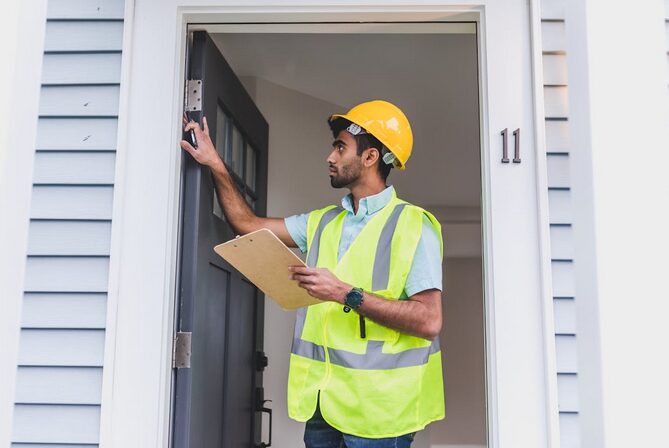
Navigating building regulations is another area where hidden costs often appear. Failing to secure the correct permits or misunderstanding local regulations can lead to fines, work stoppages, or required adjustments. Even seemingly minor requirements, such as energy efficiency standards or zoning restrictions, may result in additional materials or labor. Engaging with experts who understand local regulations early in the planning stage can prevent last-minute compliance expenses. Documentation, approvals, and permits should be confirmed before construction begins to avoid unnecessary delays and extra costs.
Going With the Initial Plan During Construction
Altering plans once construction has started is a frequent cause of budget overruns. Even small modifications, such as moving a wall or changing a window type, can trigger a chain of additional expenses. Each change affects materials, labor, and potentially the project timeline. To minimize these costs, finalize designs as completely as possible before breaking ground. When changes are unavoidable, make sure they are documented in writing, with new cost estimates agreed upon before any work proceeds. This process reduces the risk of sudden, unplanned financial strain.
Not Overlooking Contingency Planning

Many homeowners fail to set aside a contingency fund for unexpected expenses. Without a financial buffer, any unforeseen issue—whether technical, regulatory, or material-related—can derail the budget. A contingency of 10-15% of the total project cost is commonly recommended to cover surprises. This proactive approach allows for adjustments without jeopardizing the entire project or causing stress. Planning for contingencies provides a more realistic financial framework and increases confidence in decision-making throughout construction.
Hidden costs can quietly disrupt even the most carefully planned home projects. To safeguard your budget, homeowners should focus on five critical factors: complete and precise contracts, accurate estimates for materials and labor, understanding regulatory requirements, controlling changes during construction, and maintaining a contingency fund. Addressing these areas early in the project helps prevent surprises, keeps finances manageable, and ensures a smoother construction experience. By following these tips, you can approach your home project confidently and avoid the financial pitfalls that often catch new homeowners off guard.…


